Timekeeping is not my strong suit. I know time exists. I just don’t notice it passing. This is most obvious when I’m in the midst of a good book and I look up to notice it’s 1 AM and I’m quite late for bed.

My Toastmasters club finally convinced me to take on the dreaded job of Timer yesterday. One of the things we do in the club is stretch our skills to develop them, so this is definitely one of those times when I confront my weaknesses and think through the next small step to improve.
Now, the day after the meeting, I’ve finally looked up the official role description. I didn’t need to know the details exactly because the purpose is clear: we’re practicing timeboxing. Monitoring the metric using technology and reporting out on it isn’t the hard part: it’s the other piece “listen carefully to each participant and signal them accordingly.”
For me as an audience member, getting caught up in the enjoyment of a speaker’s topic is the highlight of hearing a talk. I love to see what people are passionate about – or how they respond with extemporaneous remarks to a Table Topic. (Yes, that was our word of the day for yesterday’s meeting. If only I could recall it to use it during my free responses in real time!)
Toastmasters meetings are designed with a specific format in mind [PDF] that prioritizes time management. The agenda often includes Table Topics, prepared speeches, evaluations, and role reports. Each segment has a separate purpose with its own rules.
For someone who wants to focus deeply on the content, being tasked with the structure drives me to think about automating the “boring stuff” (see also “real work” vs “bureaucratic silliness” podcast with Tim Ottinger, which I should really turn into a blog post – noted). I noticed the remote meeting software had built-in timer functionality and decided to experiment with it. Fortunately, we had a smaller group yesterday and there was a bit more room in our timebox to try it out.
As a result of adjusting to the signaling, we had one speaker go over time. We paused the meeting to reflect and I added back posting a colored emoji in the chat at each time interval (i.e. qualifying, getting close to timebox, over time, and grace period ended). This allowed subsequent speakers to conform to the timing goals more easily but reduced my personal engagement with the speeches, taking away some of the fun from the experience.
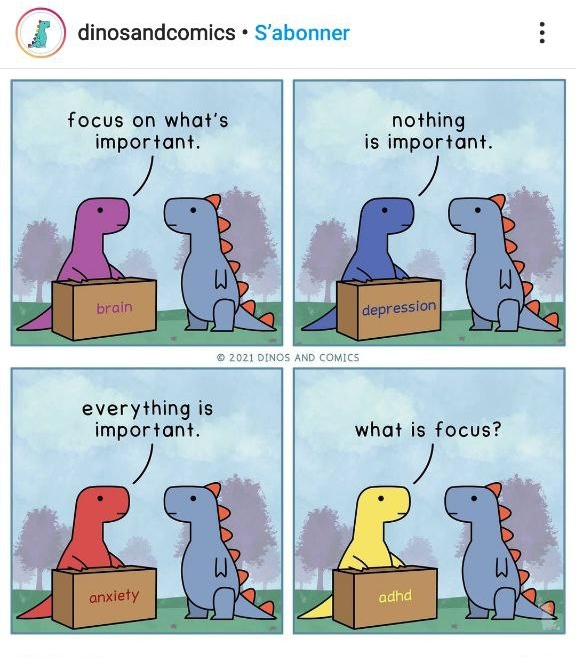
Being laser focused on one part of the work leads to overlooking other parts of the work, which isn’t really news with what we know from collaborative software delivery. I’ll save that aside for another post to come soon!
Outside of the club, I’m also thinking about short timeboxes for speeches in my work as part of the DevOpsDays Atlanta board. We have so many great talk proposals every year and we’re currently sifting through the surfeit to build the conference program – a tough task!

I’m always interested when I see that some speakers can flex their topics either in the Ignite format or a full length talk. The Ignite format fascinates me: 20 slides that auto-advance and then you’re done. Best seen in slide deck karaoke format, in my humble opinion. Another blog post to come.
Unlike other conference formats, DevOpsDays is single track with comparatively shorter talk timeboxes (i.e. Ignites are 5 minutes, talks are 20 minutes). Even our keynotes are short. I think we’ve only had 1 talk go over time in all the years I’ve worked on the event and that’s on me personally. The timeboxed structure is actually an enabling constraint that gives the whole conference a common experience, for the morning anyway.
Unlike a Toastmasters meeting, the DevOpsDays afternoon open space sessions allow for free-flowing conversations with minimal structure. Yes, I’m an open space devotee, which is another aside I’ll split to a subsequent post. I’m building up quite the backlog as we speak.
While the overall DevOpsDays event is timeboxed, the sessions can flex and attendees can choose their own adventures. (I just got one of those books and have been enjoying finding all the paths. I recommend this vintage pleasure.)
I consider the afternoon a great chance to unpack the morning monotrack content or to pivot to whatever satisfies your curiosity. Last year, I had fun running an open space session based on a mashup of 2 keynotes. Every attendee has a chance to do the same.
I’ve spoken at big multitrack events many times and I always appreciate the folks who provide a heads up about timeboxes expiring, which first really came to my attention at PSL 2014 (see Problem Solving Leadership for Weinberg‘s wonderful legacy). Timekeeping is a great value-add to any session and we can use folks with this skillset to volunteer at our event – hit me up! Seasoned speakers have flexibility in their talks and can adjust to wrap up when the signal cuts through the noise.
That was the challenge we collaboratively overcame at Toastmasters this week: finding the signal without losing the flow.
Giving yourself a chance to experience these various formats as a speaker and participant broadens your knowledge of communication styles while allowing you to focus on leaving the boring stuff to the technology.
And I hope to see you this year at our DevOpsDays Atlanta 2026 event!!